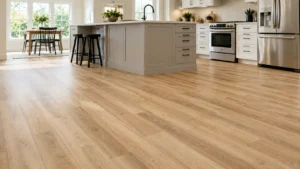
Why Choose Local Flooring Installation Services in Danbury CT for Quality and Convenience
Local flooring installation services deliver tailored, timely, and practical solutions for homeowners and businesses in Danbury CT by combining regional knowledge with hands-on craftsmanship. Discover why choosing a local flooring contractor improves installation quality, shortens project timelines, and reduces long-term maintenance risks while preserving design intent. You’ll learn the primary benefits of hiring local experts, how hardwood and vinyl plank installations differ in practice, practical maintenance tips, and what to ask before hiring a contractor. We also highlight how local providers support the Danbury community and outline the specific residential and commercial services available from a local example provider. You’ll also find practical next steps on how to prepare for a free estimate and what turnaround times to expect, helping you move confidently from planning to installation. Throughout the article, keywords like local hardwood floor installers Danbury CT, free flooring estimate Danbury, and flooring installation services near me are integrated to help match search intent and provide actionable guidance.
What Are the Key Benefits of Hiring Local Flooring Contractors in Danbury CT?
Local flooring contractors provide direct benefits through proximity, personalized service, and regional experience, improving both installation outcomes and homeowner satisfaction. Local expertise means installers understand Danbury CT’s seasonal humidity swings, typical subfloor conditions, and design preferences, which reduces installation issues and long-term movement. Close relationships with nearby suppliers and the ability to offer shop-at-home samples speed decision-making and allow accurate material matching for lighting and décor. Faster scheduling and responsive aftercare reduce downtime for busy families and businesses, while local accountability fosters stronger warranties and follow-up service. We’ll unpack how local expertise, personalized service, and scheduling advantages translate into better results and practical choices during planning.
Local contractors typically excel in three practical areas that affect installation quality:
- Personalized recommendations based on home conditions and aesthetics, which reduce returns and rework.
- Regional material guidance that accounts for humidity, seasonal expansion, and local construction practices.
- Faster response and follow-up service that shortens project timelines and improves satisfaction.
How Does Local Expertise Improve Flooring Installation Quality?
Local expertise means installers use knowledge of regional climate and common building practices to select materials and techniques that minimize failure risk. For example, proper acclimation periods, moisture testing, and targeted moisture barriers are chosen based on Danbury CT humidity patterns, which helps prevent gapping, cupping, or buckling. Installers familiar with local subfloor types can anticipate leveling needs and recommend underlayment or remediation that supports long-term performance. This practical knowledge reduces callbacks and makes warranties meaningful because installers account for predictable local conditions during planning and installation.
Understanding these local technical choices leads naturally to how personalized, shop-at-home services improve finish selection and installation planning.
Why Is Personalized Service Important for Flooring Projects?
Personalized service allows installers to bring hundreds of samples to your home, evaluate natural and artificial light, and refine color and finish choices on-site rather than relying on photos. This shop-at-home approach reduces mismatch risk and ensures the chosen material complements existing trim and furnishings. Custom installation plans — including cutting patterns, transitions, and stair nosing choices — are created for each room to reduce waste and avoid surprises. A tailored process also clarifies expectations for timing, protection of adjacent surfaces, and clean-up, which improves overall customer satisfaction.
This emphasis on personalized planning naturally shortens timelines and enables more convenient scheduling, which is covered next.
How Do Local Contractors Offer Faster and More Convenient Scheduling?
Local contractors can typically offer same-day estimates, near-term appointments, and quicker project starts because travel times and logistical coordination are reduced. Proximity to regional suppliers shortens lead times for special-order materials and allows installers to source replacements quickly. A typical timeline might move from estimate to scheduling within 1–3 days and allow installations to occur on a next-available slot, depending on material availability and scope. This efficiency reduces the disruption to daily routines for homeowners and business operations for commercial clients.
Faster scheduling depends on local supply chains and clear communication, which also factors into how specific installers handle hardwood projects and seasonal considerations discussed in the next major section.
| Comparison Area | Local Contractor | Big-Box Store Installer |
|---|---|---|
| Personalization | Shop-at-home samples and tailored recommendations | Standard in-store samples, less in-home guidance |
| Installation Quality | Technician oversight, region-aware techniques | Variable subcontractor quality and generic methods |
| Scheduling Speed | Same-day estimates, faster project starts | Longer lead times, bundled schedules |
| Warranty & Aftercare | Local accountability, direct follow-up | Chain-managed warranty processes, less local follow-up |
This comparison highlights where local contractors tend to provide higher-value experiences for homeowners and businesses. The next section applies local expertise specifically to hardwood floor installation practices.
How Does VRP Flooring Provide Superior Hardwood Floor Installation in Danbury CT?
Hardwood installation quality hinges on climate-aware preparation, precise craftsmanship, and finish selection, and VRP Flooring builds its approach around those pillars to deliver durable results. As a local residential and commercial flooring contractor based in Danbury CT, VRP Flooring emphasizes shop-at-home sampling, free estimates, and fast scheduling to match homeowner timelines. VRP’s service approach includes moisture testing, acclimation guidance, and finish options tailored for regional humidity changes, which protects long-term appearance and reduces callbacks. VRP’s commitment to shop-at-home samples, free estimates, same-day appointments, next-day installation options for many products, and a customer satisfaction guarantee ensures reliable hardwood outcomes. Below, our workflow table explains the core steps in hardwood installation and the customer benefits they deliver.
| Installation Step | Purpose | Customer Benefit |
|---|---|---|
| Moisture Testing | Measure subfloor and ambient moisture | Prevents movement-related failures and informs acclimation |
| Acclimation | Allow wood to reach equilibrium | Reduces gapping and cupping after installation |
| Subfloor Preparation | Leveling and remediation | Ensures stable surface for uniform wear and finish |
| Precision Fit & Fastening | Proper nailing/gluing patterns | Extends lifespan and minimizes squeaks |
| Finishing & Sealing | Apply protective coats | Protects against stains and daily wear |
This workflow demonstrates an evidence-driven approach; detailed execution of each step reduces long-term costs and preserves the investment. The subsection below highlights what differentiates VRP Flooring’s hardwood services in practice.
What Makes VRP Flooring’s Hardwood Installation Services Unique?
VRP Flooring’s emphasis on shop-at-home selection and free estimates creates a customer-centered process that ensures material choices fit the home’s lighting and décor before installation. Their approach pairs moisture testing and acclimation steps with skilled installation to reduce common hardwood issues driven by seasonal humidity. Quality assurance checkpoints — including pre-installation inspections and post-installation walkthroughs — help ensure installation meets expectations and that any adjustments are addressed promptly. This structured attention to both selection and technique is what separates detailed craftsmanship from a one-size-fits-all installation.
This focus on quality naturally connects to the importance of climate-aware species and finish choices for Danbury CT, which the next subsection explores.
How Does Local Climate Affect Hardwood Flooring Choices and Installation?
Danbury CT’s seasonal humidity variations require installers to consider species selection and finish systems that tolerate expansion and contraction cycles. Moisture testing informs whether engineered or solid planks are preferable and guides acclimation duration before installation. Installers often recommend specific underlayments and moisture barriers to mitigate rising moisture risk in basements or ground-level floors. These tactical choices, driven by local climate data and on-site measurement, reduce the likelihood of structural movement issues and improve long-term finish integrity.
Recognizing climate impacts also clarifies the advantages of professional repair and refinishing versus replacement, which the next subsection explores in cost and lifespan terms.
What Are the Advantages of Expert Hardwood Floor Repair and Refinishing?
Professional repair and refinishing restore surface beauty while extending lifespan, often costing significantly less than full replacement. Refinishing removes surface damage, refreshes protective coatings, and can correct moderate wear patterns without the disruption of a full tear-out. Repair techniques such as targeted board replacement, sanding, and color blending preserve original material and character for much lower environmental and financial cost. Timelines for refinishing typically range by project size, but professional teams minimize dust, control drying times, and complete follow-ups to maintain finish warranties.
Knowing how refinishing compares to replacement helps homeowners decide whether to invest in restorative services or plan for full replacement; next we examine vinyl plank options for water-resistant installations.
Why Choose Local Vinyl Plank Flooring Installation Services in Danbury CT?
Luxury vinyl plank (LVP) offers waterproof performance, design versatility, and a cost-effective alternative to hardwood, and local installers provide the site-specific preparation that ensures warranty-valid, durable installations. Correct subfloor preparation, moisture mitigation, and seam treatment are critical for LVP longevity; local contractors can assess on-site conditions and choose installation methods that match product specifications. LVP’s waterproof nature makes it well-suited for basements, kitchens, and high-traffic commercial zones, while precise installation prevents telegraphing and seam failures. Below, we’ll detail the clear benefits and practical maintenance tips that make LVP an attractive local installation choice.
LVP benefits include waterproofing, affordability, and ease of maintenance, which we detail in the next subsections along with installation and maintenance practices.
What Are the Benefits of Luxury Vinyl Plank Flooring for Homes and Businesses?
LVP combines realistic visuals with robust performance: it resists moisture, tolerates wear, and often installs faster than hardwood. For residential settings, LVP reduces downtime and is forgiving in rooms with pets or active households. In commercial environments, LVP provides durable surfaces that meet aesthetic and heavy-traffic demands without the same maintenance needs as natural wood. Cost-wise, LVP typically offers a lower installed price than hardwood while delivering a similar visual impact.
These performance characteristics lead into why professional subfloor prep and seam techniques are essential for durable LVP installations.
How Does VRP Flooring Ensure Durable and Waterproof Vinyl Plank Installations?
VRP Flooring follows a checklist-driven installation standard that emphasizes subfloor leveling, moisture testing, recommended adhesives, and seam treatments where required. Proper adhesive and perimeter isolation strategies prevent plank movement and protect warranties, while moisture mitigation protects against substrate-related failures. VRP’s shop-at-home sampling and free estimates allow customers to evaluate styles and schedule installations quickly, reducing downtime. Post-installation inspections confirm seam integrity and ensure client satisfaction before project closeout.
Having the right installation checklist also reduces future maintenance, which is addressed next with practical care tips.
What Are Common Maintenance Tips for Vinyl Plank Flooring?
Maintaining LVP involves routine cleaning, scratch prevention, and humidity control to preserve appearance and performance. Use manufacturer-recommended cleaners, avoid abrasive tools, and place protective pads under furniture to reduce surface damage. Promptly clean spills and monitor humidity to prevent extreme substrate movement in mixed-material transitions. Regular light inspections of seams and high-traffic areas catch issues early and extend service life.
These maintenance practices bridge into carpet considerations, where fiber choice and tailored installation matter for comfort and longevity.
What Should You Know About Local Carpet Installation and Repair Services in Danbury CT?
Carpet selection and installation require attention to fiber, pile, backing, and subfloor preparation to ensure comfort and durability in varied spaces. Local experts assess room traffic, staining risk, and design goals to recommend fiber types and pile heights that balance cost and performance. Proper on-site measurement and seam placement reduce visible joins and wear points, and professional stretching prevents ripples and buckling. In the next subsections, we’ll cover how local experts tailor carpet solutions, signs that repair is needed, and how our installers secure quality outcomes.
These technical selection factors relate directly to practical signs that a carpet needs repair or replacement, which we explain next.
How Do Local Experts Tailor Carpet Solutions to Your Home or Business Needs?
Local installers evaluate usage patterns and propose fiber and pile combinations that meet traffic and maintenance needs, such as loop pile or cut pile depending on wear. For family rooms, stain-resistant fibers and denser constructions are commonly recommended; for offices, low-loop commercial carpets may be preferred for durability and modular replacement. On-site measurement and physical samples ensure color and texture match lighting conditions and furnishings. Tailored installation plans also include seam placement and transition strategies to minimize tripping hazards and visual lines.
Tailored solutions help prioritize repair versus replacement decisions, which we explore next with common indicators.
What Are the Signs You Need Professional Carpet Repair?
Visible tears, rippling, persistent odors after cleaning, and worn-down traffic lanes indicate repair or replacement is needed. Early signs like small burns, loose seams, or localized stains can often be repaired more cost-effectively than full replacement. Evaluating padding condition, seam integrity, and tack-strip stability helps determine whether repair or replacement offers better long-term value. Addressing these signs early prevents further damage and preserves indoor air quality and comfort.
When repair is appropriate, quality installation techniques and satisfaction guarantees are essential; the following subsection outlines how VRP Flooring approaches carpet installations.
How Does VRP Flooring Guarantee Quality Carpet Installation?
VRP Flooring applies professional stretching, accurate seam techniques, and post-installation inspections as standard practice to ensure a secure and attractive finish. Their shop-at-home sampling and free estimate process allows precise measurement and material selection that reduces misorders and delays. VRP’s stated satisfaction guarantee and follow-up procedures create a feedback loop that helps address any needed adjustments promptly. This structured installation and inspection process supports long-term performance and client confidence.
These service quality assurances connect to broader community impacts, which the next H2 addresses.
How Do Local Flooring Installation Services Support the Danbury CT Community and Economy?
Hiring local flooring installers contributes to Danbury CT’s economy through local spending, job support, and sustained supplier relationships, and it strengthens community accountability for service quality. Local contractors reinvest in regional supply chains, creating multiplier effects that support neighboring businesses. Community reputation matters: positive local reviews and word-of-mouth translate into sustained work and localized expertise that benefits future projects. In the following subsections, we’ll detail economic impact, how local reputation is built, and the role of supplier relationships in improving service quality.
Understanding local economic impact helps explain why community trust and supplier ties matter for project outcomes.
Why Is Supporting Local Businesses Important for Danbury’s Economy?
Spending with local contractors circulates revenue through the regional economy, supporting suppliers, subcontractors, and service providers in Danbury CT. This economic multiplier increases job stability and encourages local investment in training and equipment, which in turn improves service quality for residents and businesses. Local spending also keeps tax dollars and business activity within the community, enhancing infrastructure and civic resources. Choosing a local installer therefore has tangible economic and social benefits beyond a single project.
These community advantages rely on contractor reputation and repeat business, which the next subsection addresses.
How Does VRP Flooring Build Trust Through Community Reputation?
VRP Flooring demonstrates community trust by offering shop-at-home samples, free estimates, and timely scheduling, and by promoting clear follow-up procedures to ensure satisfaction. VRP emphasizes quality and responsive service, reinforcing trust through direct interactions and visible project results in the neighborhood. Local reputation is built on consistent workmanship and accountability, which motivates contractors to uphold standards and resolve issues promptly when they arise.
Strong supplier relationships are another practical advantage; the following subsection explains those operational benefits.
What Role Do Local Supplier Relationships Play in Flooring Service Quality?
Local supplier relationships shorten lead times for materials, improve access to specialized finishes, and enable quick special orders when projects require specific dye lots or textures. Close supplier ties also allow installers to verify product compatibility and warranty conditions before purchasing, which reduces returns and project delays. Bulk ordering relationships sometimes yield better pricing and faster deliveries for clients, while local showrooms simplify sample review and selection. These supplier dynamics directly support reliable scheduling and consistent installation outcomes.
Supplier coordination and reputation management tie directly into the scope of services local contractors can offer, including those provided by VRP Flooring described next.
What Comprehensive Flooring Services Does VRP Flooring Offer in Danbury CT?
VRP Flooring offers a broad range of residential and commercial flooring services that encompass installation, repair, and refinishing across major materials, and we promote free estimates and shop-at-home sampling to streamline your decisions. Their residential offerings include hardwood installation and refinishing, LVP installation and waterproofing, and carpet installation and repair. For commercial clients, VRP provides durable installations with expedited scheduling and compliance-focused recommendations for high-traffic spaces. To schedule an estimate, you can prepare room measurements and material preferences, then contact VRP by phone or email for a shop-at-home visit.
Before the service list, a table summarizes common flooring types and attributes to guide choices.
| Flooring Type | Best Use / Pros | Durability / Water Resistance / Typical Turnaround |
|---|---|---|
| Hardwood | Living areas, resale value | High durability, low water resistance; 3–7 day turnaround for typical rooms |
| Luxury Vinyl Plank (LVP) | Kitchens, basements, retail | High water resistance, durable; 1–3 day turnaround |
| Carpet | Bedrooms, lounges | Comfortable, moderate durability; 1–2 day turnaround |
| Laminate | Budget-friendly visual hardwood | Moderate durability, limited water resistance; 1–2 day turnaround |
Which Residential Flooring Installation and Repair Services Are Available?
Residential services include precise hardwood installation and refinishing to restore or upgrade floors, LVP installation for waterproof durability in kitchens and basements, and carpet installation and repair for comfort and sound reduction. Each service begins with a free, shop-at-home estimate that evaluates subfloor conditions, lighting, and household usage to recommend fiber, plank, or finish choices. Installation practices include moisture testing, substrate remediation, and protective measures to minimize disruption. These combined steps result in smoother installations and lower long-term maintenance.
These residential capabilities extend into commercial solutions, which are designed for durability and compliance.
What Commercial Flooring Solutions Does VRP Flooring Provide?
Commercial offerings prioritize durable materials and fast scheduling to minimize business disruption, recommending options such as LVT for retail and commercial carpet tiles for offices. Installations follow safety and accessibility considerations with attention to transitions, slip resistance, and warranty compliance. VRP emphasizes quick response and coordination to meet business timelines and often schedules off-hours or phased installations to limit operational impact. Durable selections and installation techniques reduce long-term maintenance and lifecycle costs for commercial clients.
Clear next steps make scheduling an estimate straightforward, covered in the following subsection.
How Can You Schedule a Free Flooring Estimate or Appointment?
To schedule a free estimate, prepare approximate room dimensions, photos or notes on usage patterns, and preferred material styles for a shop-at-home sample review. Contact VRP Flooring by phone at +1 (203) 617-7324 or by email at vrpservicesllc@outlook.com to request an appointment and describe any urgent scheduling needs. During the estimate visit, expect moisture testing, sample placement, and a transparent scope and timeline discussion to inform your decision. This process helps ensure your chosen material and schedule align with your functional needs and aesthetic goals.
Having clear pre-hire expectations reduces surprises; the final H2 addresses the top questions buyers typically ask.
What Are the Most Common Questions About Local Flooring Installation Services?
Prospective clients often ask whether local installers outperform big-box options, what to ask before hiring, and how long installations typically take; concise answers help buyers evaluate providers and plan projects. In the following subsections, we provide direct, actionable responses to these common queries. Each answer emphasizes practical checks and delivers quick timelines so you can move confidently toward booking an estimate.
These focused answers are optimized for quick decision-making and featured-snippet potential.
What Are the Advantages of Choosing Local Flooring Installers Over Big Box Stores?
Local installers typically provide personalized service, region-aware installation methods, and direct accountability that big-box store arrangements can lack. Shop-at-home sampling and free on-site estimates allow accurate color and texture matching and a clearer scope of work. Local firms often offer faster scheduling and more responsive follow-up, while large chains may rely on external subcontractors with variable oversight. For projects where fit, finish, and follow-up matter, local installers generally deliver higher long-term value and service consistency.
What Questions Should You Ask Before Hiring a Local Flooring Contractor?
Ask about the installation process, moisture testing, warranties or satisfaction guarantees, references or local examples, and cleanup procedures to ensure professional standards. Confirm scheduling availability and what materials or samples will be shown onsite, and request a written estimate detailing scope, timelines, and payment milestones. Verify insurance and licensing where applicable, and ask how post-installation issues will be handled to confirm accountability. These questions help compare providers on quality, responsiveness, and value rather than price alone.
How Long Does Flooring Installation Typically Take with Local Experts?
Typical installation durations vary by project: a single-room LVP or carpet can complete in 1–2 days, a standard hardwood installation for a modest-sized room may take 3–7 days including acclimation and finishing, and extensive refinishing projects can require multiple days for sanding, coats, and drying. Factors affecting timelines include room size, subfloor repairs, material lead times, and seasonal scheduling demand. Local installers can sometimes fast-track projects through nearby supplier relationships and flexible scheduling to meet urgent needs.
This timeline overview completes the set of practical answers you need to move toward booking an on-site estimate and installation appointment.
- Prepare measurements and material preferences before your estimate.
- Ask about moisture testing and acclimation practices.
- Confirm cleanup and post-installation inspection details.
These procedural steps and questions help homeowners and businesses implement the guidance provided here and make informed hiring decisions.
Frequently Asked Questions
What types of flooring materials are best suited for high-traffic areas?
For high-traffic areas, durable flooring materials such as luxury vinyl plank (LVP) and commercial-grade carpet tiles are ideal. LVP is waterproof, resistant to scratches, and easy to maintain, making it perfect for spaces like kitchens and entryways. Commercial carpet tiles offer flexibility and can be replaced individually if damaged, ensuring longevity. Both options provide aesthetic appeal while standing up to the wear and tear of busy environments, making them practical choices for homes and businesses alike.
How can I prepare my home for a flooring installation?
Preparing your home for flooring installation involves several steps. First, clear the installation area of furniture and personal items to provide easy access for our installers. Ensure that the subfloor is clean and dry, as this will help prevent issues during installation. If you have pets, consider keeping them in a separate area to minimize stress and distractions. Lastly, communicate any specific concerns or requirements with your VRP Flooring contractor to ensure a smooth installation process.
What should I expect during the flooring installation process?
During the flooring installation process, you can expect a few key steps. Initially, your VRP Flooring contractor will conduct moisture testing and assess the subfloor conditions. Following this, they will prepare the area, which may include leveling the subfloor and laying down underlayment. The actual installation will involve laying the flooring material according to the planned design, followed by finishing touches such as trim installation. Finally, your VRP Flooring contractor will conduct a walkthrough to ensure everything meets your expectations before completing the job.
Are there any warranties or guarantees offered with flooring installations?
Yes, most local flooring contractors, including VRP Flooring, offer warranties or satisfaction guarantees on their installations. These warranties typically cover workmanship and may also include product-specific guarantees from manufacturers. It’s essential to discuss the details of these warranties with your VRP Flooring contractor before installation, including what is covered, the duration, and any conditions that may apply. This ensures you have peace of mind regarding the quality and longevity of your new flooring.
How do I maintain my new flooring to ensure its longevity?
Maintaining your new flooring is crucial for ensuring its longevity and appearance. For hardwood, regular sweeping and occasional mopping with a manufacturer-recommended cleaner will help prevent scratches and dirt buildup. For LVP, routine cleaning with a damp mop and avoiding harsh chemicals will keep it looking new. Carpets benefit from regular vacuuming and professional cleaning every 12-18 months. Additionally, controlling humidity levels and promptly addressing spills can prevent damage and extend the life of your flooring.
What are the environmental benefits of choosing local flooring services?
Choosing local flooring services has several environmental benefits. Our local contractors often source materials from nearby suppliers, reducing transportation emissions and supporting sustainable practices. Additionally, we’re more likely to prioritize eco-friendly materials and installation methods, such as low-VOC finishes and recycled content. By hiring local, you contribute to a circular economy that minimizes waste and promotes responsible resource use, ultimately benefiting the environment and your community.
Conclusion
Choosing local flooring installation services in Danbury CT ensures high-quality craftsmanship, personalized service, and faster project timelines tailored to your specific needs. By supporting local contractors, you not only enhance your home or business but also contribute to the community’s economy and sustainability. Take the next step towards a seamless flooring experience by scheduling your free estimate today. Discover how VRP Flooring can transform your space with expert installations and dedicated service.