If you’re researching new flooring for your Connecticut home, you’ve almost certainly encountered LVP—luxury vinyl plank—as a top contender. It’s everywhere in design magazines, home improvement stores, and contractor recommendations. But is it the right choice for your home? Like any flooring material, LVP has distinct advantages and limitations. Understanding both is essential to making a decision you’ll be happy with for years.
At VRP Flooring, we’ve installed hundreds of LVP projects across Danbury, Ridgefield, Brookfield, and surrounding areas since the material entered the mainstream. As a family-owned business with over 20 years of flooring expertise, we help homeowners navigate these decisions every day. This guide breaks down the real pros and cons of LVP flooring—no marketing hype, just honest insights from experienced professionals who’ve seen the material perform in Connecticut homes.
Summary:
- What Is LVP Flooring?
- How LVP Differs from Laminate and Vinyl Sheet
- The Technology Behind Modern Luxury Vinyl Plank
- The Pros of LVP Flooring
- 100% Waterproof and Pet-Friendly
- Realistic Wood and Stone Looks
- Easy Maintenance and Long-Term Durability
- Budget-Friendly Installation
- The Cons of LVP Flooring
- Not as Valuable as Real Hardwood at Resale
- Susceptible to Scratches from Heavy Furniture
- Quality Varies Widely by Brand
- When LVP Is the Best Choice for Your Home
- Why Connecticut Homeowners Trust VRP Flooring for LVP Installation
What Is LVP Flooring?
How LVP Differs from Laminate and Vinyl Sheet
LVP—luxury vinyl plank—is a premium vinyl flooring product designed to replicate the appearance of hardwood planks (or stone tiles, in the case of LVT, luxury vinyl tile). Unlike older sheet vinyl, which came in large rolls and had a reputation for looking cheap, LVP consists of individual planks that click together, creating a realistic wood-look floor with minimal visible seams.
It’s also distinct from laminate flooring. While both are affordable and durable, laminate has a fiberboard core that can swell if exposed to moisture, whereas LVP has a waterproof vinyl core. This makes LVP far better suited for kitchens, bathrooms, basements, and any area where spills or humidity are concerns. Laminate may offer a slightly more authentic wood texture, but LVP wins on water resistance and ease of maintenance.
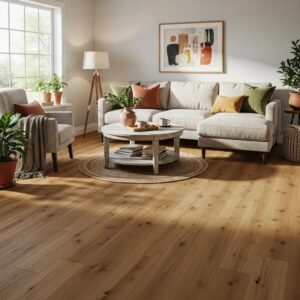
Modern LVP has evolved dramatically. Early versions looked obviously synthetic. Today’s high-quality products feature embossed textures, varied plank widths, and realistic color variation that closely mimics natural hardwood—sometimes so convincingly that guests can’t tell the difference at a glance.
The Technology Behind Modern Luxury Vinyl Plank
Understanding how LVP is constructed helps explain its performance. Quality LVP typically has four to six layers:
- UV-resistant top coat — protects against fading from sunlight.
- Wear layer — a clear, durable layer (measured in mils) that resists scratches, stains, and daily wear. Thicker wear layers (20mil, 22mil) perform better long-term.
- Design layer — a high-resolution image of wood grain or stone, overlaid with embossing for texture.
- Core layer — rigid vinyl (SPC or WPC core), providing stability, waterproofing, and impact resistance.
- Backing layer — adds cushioning, sound dampening, and additional moisture protection.
The wear layer thickness is one of the most critical quality indicators. Residential-grade LVP often has a 12mil wear layer, which works fine for light-traffic areas. For families with kids, pets, or high foot traffic, VRP Flooring recommends 20mil to 22mil commercial-grade wear layers, which handle abuse far better and maintain their appearance over time.
The Pros of LVP Flooring
100% Waterproof and Pet-Friendly
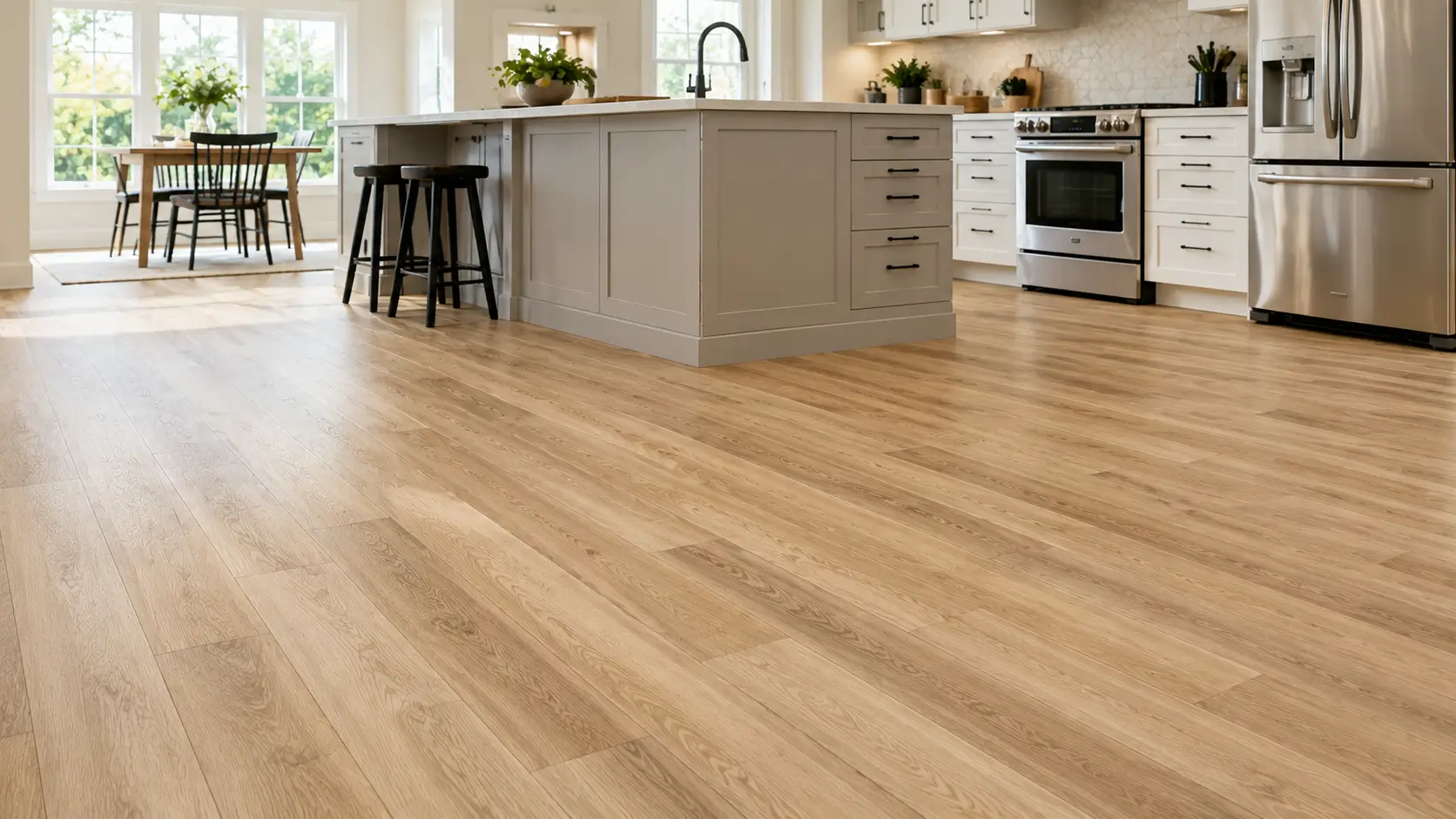
The single biggest advantage of LVP is its complete water resistance. Unlike hardwood, which warps and stains when exposed to moisture, LVP is engineered to withstand spills, splashes, humidity, and even minor flooding. This makes it the top choice for kitchens, bathrooms, mudrooms, laundry rooms, and basements—anywhere water exposure is a reality.
For pet owners, this is game-changing. Accidents happen. Dogs track in mud. Water bowls overflow. With LVP, cleanup is simple: wipe it up, no damage done. Compare that to hardwood, where a single untreated puddle can leave a permanent dark stain. LVP takes the stress out of living with pets.
Additionally, quality LVP is highly scratch-resistant. While no floor is completely scratch-proof, a 20mil or 22mil wear layer handles pet claws, dragged furniture, and dropped objects far better than softer materials. Connecticut families with active households consistently report that LVP holds up beautifully where other floors would show wear.
Realistic Wood and Stone Looks
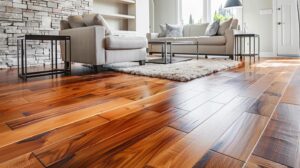
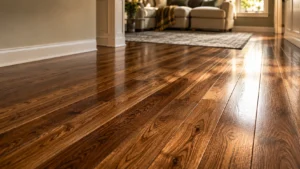
Modern LVP has shattered the “fake-looking vinyl” stereotype. Today’s premium products use high-definition imaging and embossing to replicate the grain patterns, knots, color variation, and even the texture of real wood species—oak, hickory, walnut, reclaimed barn wood—with remarkable accuracy.
Walk into a room with well-installed, high-quality LVP, and most people won’t immediately recognize it as vinyl. The planks vary in appearance from one to the next, mimicking natural wood. The embossing adds tactile realism. The finish reflects light like polyurethane on hardwood. For homeowners who love the wood aesthetic but need waterproof performance, LVP delivers both.
Color and style options are nearly endless: light Scandinavian oak, rich espresso, trendy gray-washed tones, rustic hand-scraped textures. VRP Flooring helps clients select LVP styles that match their existing décor and personal taste, ensuring the final result feels cohesive and intentional.
Easy Maintenance and Long-Term Durability
LVP is one of the lowest-maintenance flooring options available. There’s no refinishing, no waxing, no special treatments. Sweep or vacuum regularly to remove dirt and debris (which can act as abrasives), and damp mop occasionally with a pH-neutral cleaner. That’s it.
Spills wipe away instantly. Stains are virtually nonexistent. Scratches, while possible, are rare with quality products. Even in high-traffic areas, LVP maintains its appearance for years with minimal effort. For busy families, retirees, or anyone who wants beautiful floors without constant upkeep, LVP is a dream.
Durability is equally impressive. High-quality LVP can last 15-25 years depending on wear layer thickness, installation quality, and traffic levels. VRP Flooring installs LVP with precision—proper subfloor preparation, tight seams, correct acclimation—ensuring maximum lifespan and performance. When installed correctly, LVP stands up to decades of real-world use.
Walk into a room with well-installed, high-quality LVP, and most people won’t immediately recognize it as vinyl. The planks vary in appearance from one to the next, mimicking natural wood. The embossing adds tactile realism. The finish reflects light like polyurethane on hardwood. For homeowners who love the wood aesthetic but need waterproof performance, LVP delivers both.
Color and style options are nearly endless: light Scandinavian oak, rich espresso, trendy gray-washed tones, rustic hand-scraped textures. VRP Flooring helps clients select LVP styles that match their existing décor and personal taste, ensuring the final result feels cohesive and intentional.
Budget-Friendly Installation
LVP offers premium aesthetics at a mid-range price point. Material costs are typically lower than solid hardwood or high-end tile, and installation is faster and less labor-intensive. Most LVP uses a click-lock installation system, which doesn’t require glue or nails, reducing both labor time and cost.
For an average Connecticut home (800-1,200 sq ft), LVP installation typically costs $4,000 to $8,000, depending on product quality, subfloor prep, and any removal of old flooring. Compare that to hardwood installation, which can easily run $8,000 to $15,000 for the same space. You get a high-performance, beautiful floor at a fraction of the cost.
VRP Flooring provides transparent pricing and walks you through material options at different price points, helping you maximize value without sacrificing quality. We never upsell unnecessarily—our goal is a floor that fits your budget and performs flawlessly for years.
The Cons of LVP Flooring
Not as Valuable as Real Hardwood at Resale
LVP is functional, attractive, and practical—but it’s not hardwood. When it comes to resale value, real hardwood still commands a premium, especially in higher-end Connecticut markets like Ridgefield, New Canaan, or Westport. Buyers often view hardwood as a luxury feature that justifies a higher asking price, while LVP is seen as a practical, modern alternative.
That said, LVP doesn’t hurt resale value. In fact, in areas where water damage or wear are concerns—kitchens, bathrooms, basements—LVP is often viewed favorably because it’s durable and low-maintenance. Buyers with pets or young children frequently appreciate LVP over hardwood. The key is setting the right expectation: LVP adds functional value and aesthetic appeal, but it won’t boost your home’s appraisal the way refinished original hardwood might.
For most homeowners, this trade-off is acceptable. You get a floor that performs better for daily life, even if it doesn’t carry the same prestige. If resale value is your top priority, VRP Flooring can discuss whether solid or engineered hardwood makes more sense for your situation.
That quote is final. If we identify additional work during the project—say, a repair that wasn’t visible under furniture—we discuss it with you before proceeding, and you approve any changes in writing. This approach has earned us long-term client relationships and countless referrals throughout Danbury, Ridgefield, Brookfield, and beyond. You’ll never wonder what you’re paying for or why.
Transparent pricing also means competitive pricing. Because we’re a family-owned operation with low overhead and direct owner involvement, we don’t inflate costs to cover layers of project managers or sales commissions. You pay for expert craftsmanship, premium materials, and a process refined over 20+ years—nothing more.
Susceptible to Scratches from Heavy Furniture
While LVP is scratch-resistant, it’s not scratch-proof. Heavy furniture dragged across the floor—especially metal chair legs, appliances, or furniture without felt pads—can gouge or scuff the surface. Unlike hardwood, which can be sanded and refinished to remove scratches, damaged LVP planks must be replaced.
The good news: individual planks can be swapped out if damaged, thanks to the click-lock installation system. VRP Flooring always recommends ordering 10-15% extra material during installation to have replacement planks on hand for future repairs.
Prevention is key. Use furniture pads under all heavy items. Avoid dragging furniture—lift and carry when possible. Place mats under rolling office chairs. With these simple precautions, LVP will maintain its flawless appearance for years.
Quality matters here. Thin, cheap LVP with a 6mil or 12mil wear layer scratches far more easily than commercial-grade 20mil+ products. VRP Flooring only installs premium LVP with thick wear layers, giving you the best chance of long-term durability.
Quality Varies Widely by Brand
Not all LVP is created equal. The market is flooded with products at every price point, and quality varies dramatically. Cheap, big-box store LVP may look acceptable at installation, but within a year or two, you’ll see seams separating, edges peeling, scratches multiplying, and a general loss of that “new floor” appearance.
Premium LVP costs more upfront but delivers superior performance: thicker wear layers, stronger cores, better locking mechanisms, and more realistic visuals. It feels solid underfoot. It resists temperature fluctuations without warping. It maintains its appearance under real-world conditions.
VRP Flooring has tested dozens of LVP brands over two decades. We know which products hold up in Connecticut’s climate—cold winters, humid summers, seasonal temperature swings—and which fail prematurely. When you work with us, you’re getting professional LVP installation services using materials we trust and stand behind, not the cheapest option on the shelf.
When LVP Is the Best Choice for Your Home
LVP excels in specific scenarios. It’s the ideal flooring solution when:
- You need waterproof flooring for kitchens, bathrooms, basements, or mudrooms.
- You have pets or young children and need a durable, easy-to-clean surface.
- You want the look of hardwood without the maintenance or moisture sensitivity.
- Your budget favors value over prestige—you want beautiful floors without hardwood pricing.
- You’re updating a rental property or flip where durability and low maintenance matter more than luxury appeal.
- You need fast installation with minimal disruption (LVP installs faster than most alternatives).
LVP is also perfect for homeowners with allergies. Its smooth, waterproof surface doesn’t trap dust, pollen, or pet dander the way carpet does, and it’s easier to keep clean than textured tile. For Connecticut families seeking a healthy, low-maintenance home environment, LVP checks every box.
If you’re still weighing LVP against other materials, VRP Flooring offers free consultations to discuss your specific needs, show you samples, and provide honest guidance. Our job isn’t to sell you the most expensive floor—it’s to install the right floor for your lifestyle and goals.
Why Connecticut Homeowners Trust VRP Flooring for LVP Installation
Installation quality matters as much as material quality. Poorly installed LVP can have visible seams, uneven transitions, plank movement, or premature wear. VRP Flooring has installed LVP in hundreds of Connecticut homes since 2001, and we’ve refined our process to ensure flawless results every time.
We start with thorough subfloor preparation—leveling uneven areas, repairing damage, ensuring a clean, stable base. We acclimate the material to your home’s temperature and humidity before installation, preventing expansion or contraction issues later. We use precise cutting and fitting techniques to create tight seams and professional transitions between rooms or flooring types.
Most importantly, the owner is personally involved in every project. You’re not working with a rotating crew of subcontractors. You’re working with a family-owned business where quality and reputation are everything. We treat your home with the same care we’d give our own, and we don’t call a job done until you’re completely satisfied.
Ready to explore LVP for your Connecticut home? Schedule your free consultation with VRP Flooring today, or call (203) 617-7324 to discuss your project.
FAQ
What does LVP stand for in flooring?
LVP stands for Luxury Vinyl Plank. It’s a high-end vinyl flooring product designed to mimic the look of hardwood or stone while offering superior water resistance, durability, and ease of maintenance. Modern LVP features realistic textures, embossing, and multiple layers for long-term performance.
Is LVP flooring better than hardwood?
LVP and hardwood serve different needs. LVP is 100% waterproof, more affordable, and easier to maintain—ideal for high-moisture areas, busy families, and pet owners. Hardwood offers timeless beauty, higher resale value, and can be refinished multiple times. VRP Flooring helps you choose based on your lifestyle and budget.
Can LVP flooring handle pets and kids?
Yes. Quality LVP with a 20mil or 22mil wear layer is highly resistant to scratches from pet claws and durable enough for active households. It’s also waterproof, so spills and accidents are easy to clean. VRP Flooring installs commercial-grade LVP designed to withstand real family life.
How long does LVP flooring last?
High-quality LVP can last 15-25 years with proper care. Key factors include wear layer thickness (20mil+ recommended), installation quality, and foot traffic levels. VRP Flooring uses premium LVP products and installs them correctly, ensuring maximum lifespan.
Is LVP flooring easy to maintain?
Extremely easy. LVP requires only regular sweeping or vacuuming and occasional damp mopping with a pH-neutral cleaner. Unlike hardwood, it doesn’t need refinishing, waxing, or special treatments. It’s one of the lowest-maintenance flooring options available.
Does LVP flooring add value to a home?
LVP adds functional value and appeals to buyers seeking low-maintenance, durable flooring—especially in kitchens, bathrooms, and basements. However, it typically doesn’t increase resale value as much as real hardwood. For rooms where hardwood isn’t practical, LVP is an excellent choice.
What's the difference between cheap and high-quality LVP?
Quality LVP has a thicker wear layer (20mil+), a rigid core for stability, realistic embossing, and strong locking mechanisms. Cheap LVP feels thin, scratches easily, and may have visible seams or an artificial appearance. VRP Flooring only installs commercial-grade LVP that performs and looks authentic.