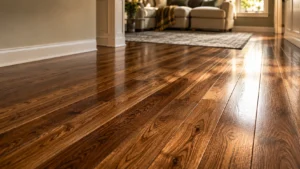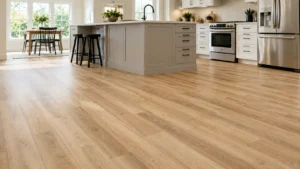
How to Choose a Reliable Local Expert for LVP Flooring Installation: Practical Tips for Homeowners and Businesses
Picking a dependable local pro for Luxury Vinyl Plank (LVP) installation makes a big difference in the final result and how long your floor lasts. This guide walks you through the most important things to look for — why professional installation matters, which installer qualities signal trustworthiness, and the questions to ask so you can protect your investment. Many homeowners and businesses make avoidable mistakes when hiring contractors; these tips help you avoid those costly missteps and get a smooth, long-lasting install.
Why Professional LVP Flooring Installation Matters for Your Home or Business

Professional installation delivers better-looking, longer-lasting results. Experienced installers know the subtle steps that matter — like prepping the subfloor and checking moisture levels — so you avoid common problems that shorten a floor’s life.
What Are the Risks of DIY LVP Installation?
Doing LVP yourself can save money up front, but it often creates bigger costs later. Common DIY mistakes include poor subfloor prep that causes uneven boards and premature wear. DIY work can also void manufacturer warranties, leaving you to cover repairs. In many cases, the long-term expense outweighs the initial savings.
How Does Expert Installation Ensure Longevity and Warranty Validity?
Pro installers follow manufacturer guidelines and industry best practices, which helps keep warranties valid. They handle important steps — like acclimating the planks and managing moisture — that prevent warping, buckling, and other failures, giving your floor a longer, more trouble-free life.
Key Qualities to Look for in a Trustworthy LVP Flooring Installer
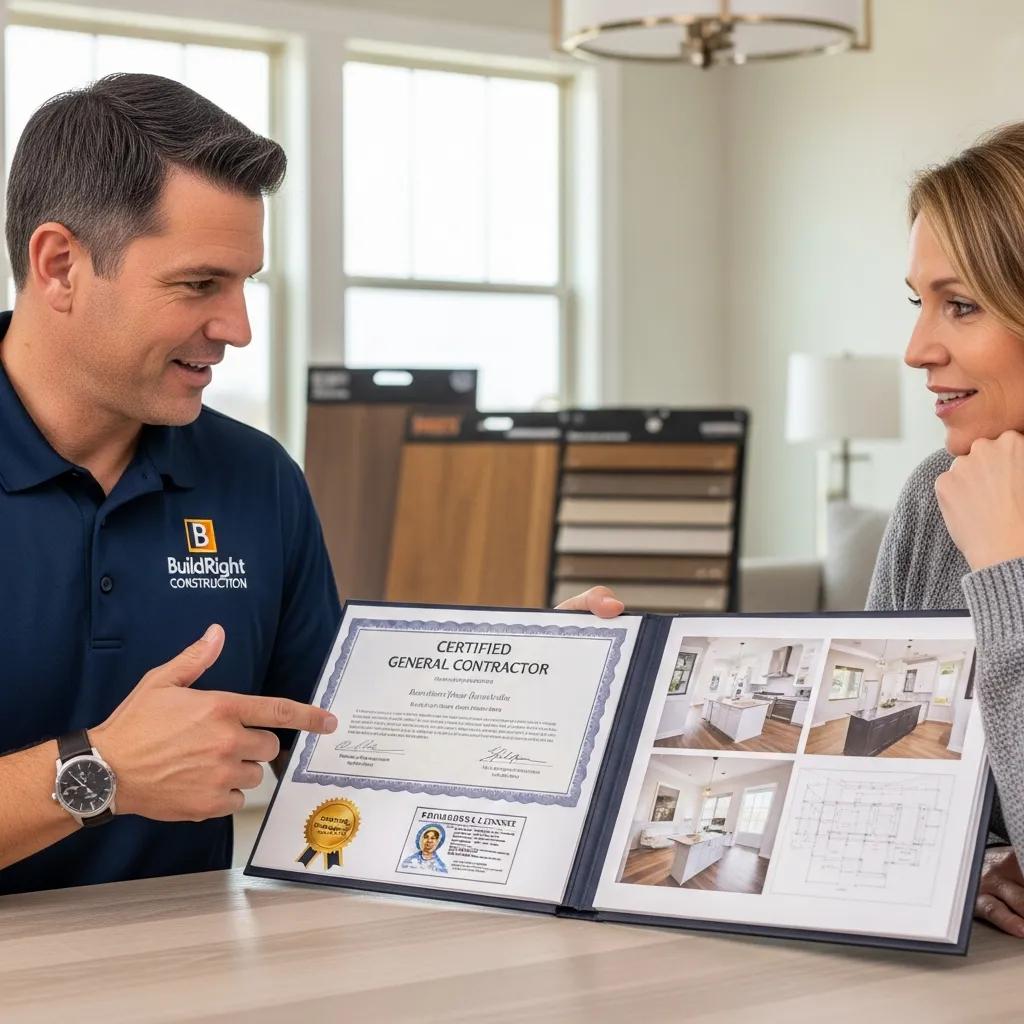
When evaluating installers, focus on experience, licensing, and real customer feedback. A reputable pro will show proof of qualifications, explain their process clearly, and have a track record you can verify.
Why Is Experience and Specialization in LVP Flooring Crucial?
Installers who specialize in LVP understand how different subfloors and moisture conditions affect the job. That experience helps them avoid errors and work more efficiently — saving time and lowering the chance of rework.
How Do Licensing, Insurance, and Certifications Protect You?
Hiring licensed and insured contractors shields you from liability if accidents or damage occur. A proper license means the installer meets local requirements; insurance covers unexpected issues during the job. Certifications from industry groups are an extra sign of commitment to quality.
Ready to get started? VRP Flooring provides free consultations to evaluate your needs and recommend the best LVP options for your space.
What Questions Should You Ask Before Hiring an LVP Flooring Contractor?
Asking the right questions helps you separate experienced installers from the rest. Make sure you confirm credentials, understand the scope of work, and get clear estimates.
How to Verify Installer Credentials and References?
Ask to see license and insurance documents, and request references from recent projects. Contact those references to learn about workmanship, timeliness, and communication. A reliable contractor will gladly share this information.
What Should a Transparent and Detailed Estimate Include?
A good estimate lists material and labor costs, any extra fees, and an estimated timeline. It should be written and itemized so you know what’s included and what might add to the final price — this prevents surprises later.
Understanding the LVP Flooring Installation Process: What to Expect
Knowing the typical steps of installation helps you prepare and reduces stress during the project. Here’s what professional installers usually do and why each step matters.
How Is Subfloor Preparation and Moisture Testing Conducted?
Installers inspect the subfloor for damage, level it, and clean it before laying LVP. They’ll perform moisture tests to ensure conditions are safe for the flooring — excess moisture is a common cause of failure, so this step protects your investment.
What Are the Common Installation Techniques and Post-Installation Care?
LVP is commonly installed with glue-down, click-lock, or loose-lay methods. The right technique depends on the product and the room. After installation, simple maintenance — routine sweeping, damp mopping with manufacturer-approved cleaners, and keeping water off the floor — will keep it looking great for years.
How Do Warranties and Guarantees Protect Your LVP Flooring Investment?
Warranties and guarantees give you confidence that both the product and the workmanship are covered if something goes wrong. Know what each one protects so you’re not caught off guard.
What Is the Difference Between Labor and Manufacturer Warranties?
Labor warranties cover the installer’s workmanship; manufacturer warranties cover material defects. Both matter — one fixes installation mistakes, the other addresses product failures — so review each carefully before committing.
What Coverage Should a Good Installation Warranty Provide?
A solid installation warranty covers workmanship issues that show up after the job, specifies how long coverage lasts, and lists any exclusions. Read the terms so you understand what’s covered and how to file a claim if needed.
Why Choose VRP Flooring as Your Local LVP Installation Expert in Danbury, CT
Choosing a local installer like VRP Flooring brings advantages: local knowledge, faster response times, and experience with area-specific conditions. Our focus is reliable installs and satisfied customers.
What Unique Benefits Does VRP Flooring Offer for LVP Installation?
VRP Flooring provides free in-home estimates, a wide selection of samples, and a team committed to quality and punctuality. With over 9 years in business and more than 3,000 satisfied clients, we’ve built a reputation for dependable workmanship and clear communication.
How Does VRP Flooring Address Local Climate and Customer Satisfaction?
We factor in Danbury’s climate when recommending products and installation methods, so your floor performs well through seasonal changes. Our team prioritizes responsiveness and attention to detail to make sure you’re happy from estimate to final walk-through.
| Quality | Importance | Impact |
|---|---|---|
| Experience | Ensures high-quality installation | Reduces errors and costs |
| Licensing | Confirms compliance with regulations | Protects homeowners legally |
| Customer Reviews | Reflects past performance | Builds trust and reliability |
Choosing the right local expert for LVP installation protects your investment and delivers better long-term results. By focusing on professional installation, verified credentials, and clear communication, you’ll avoid common pitfalls and enjoy a floor that performs. VRP Flooring is a local, experienced option committed to quality and customer satisfaction in Danbury, CT.
Frequently Asked Questions
What are the signs of a reputable LVP flooring installer?
A trustworthy LVP installer has positive customer reviews, a professional website or portfolio, and clear, punctual communication. They provide written estimates and timelines, supply references on request, and demonstrate specific LVP experience rather than general flooring work.
How can I prepare my home for LVP flooring installation?
Clear the work area of furniture and obstacles, and make sure the space is accessible. Keep the indoor temperature stable (typically between 65°F and 85°F) so the flooring acclimates properly. Let your installer know about any special concerns in advance for a smooth job.
What should I do if I encounter issues after installation?
Contact your installer first — most reputable contractors offer a warranty on their workmanship. Document the issue with photos and notes, and check the manufacturer warranty if the problem seems material-related. Prompt reporting helps resolve problems faster.
Are there specific maintenance tips for LVP flooring?
Regular sweeping or vacuuming removes grit that can scratch the floor. Use a damp mop with a cleaner recommended by the manufacturer and avoid harsh chemicals. Place mats at entries to reduce dirt and moisture, and use furniture pads to prevent dents and scratches.
How long does the LVP flooring installation process typically take?
Installation time depends on room size and site conditions. A single, standard room can often be completed in a few hours to a full day. Larger areas or jobs needing subfloor repairs will take longer — discuss the timeline with your installer when you get an estimate.
What factors influence the cost of LVP flooring installation?
Costs vary with the quality and type of LVP, the area size, and installation complexity (for example, subfloor repairs or custom cuts). Your location and the installer’s experience level also affect price. Ask for a detailed, itemized estimate to understand the full cost breakdown.
Conclusion
Hiring a reliable local expert for LVP installation protects your investment and ensures a smooth result. Focus on professional installers with proven experience, clear estimates, and strong customer feedback. VRP Flooring offers local expertise, dependable workmanship, and free estimates in Danbury, CT — contact us to schedule yours and get started on your project.